
01
Two percent of what?
Of the qualifying value — the eligible contract or investment value, named in writing before anything is signed. Not of profit, not of turnover, not of what is left over at the end of the year.
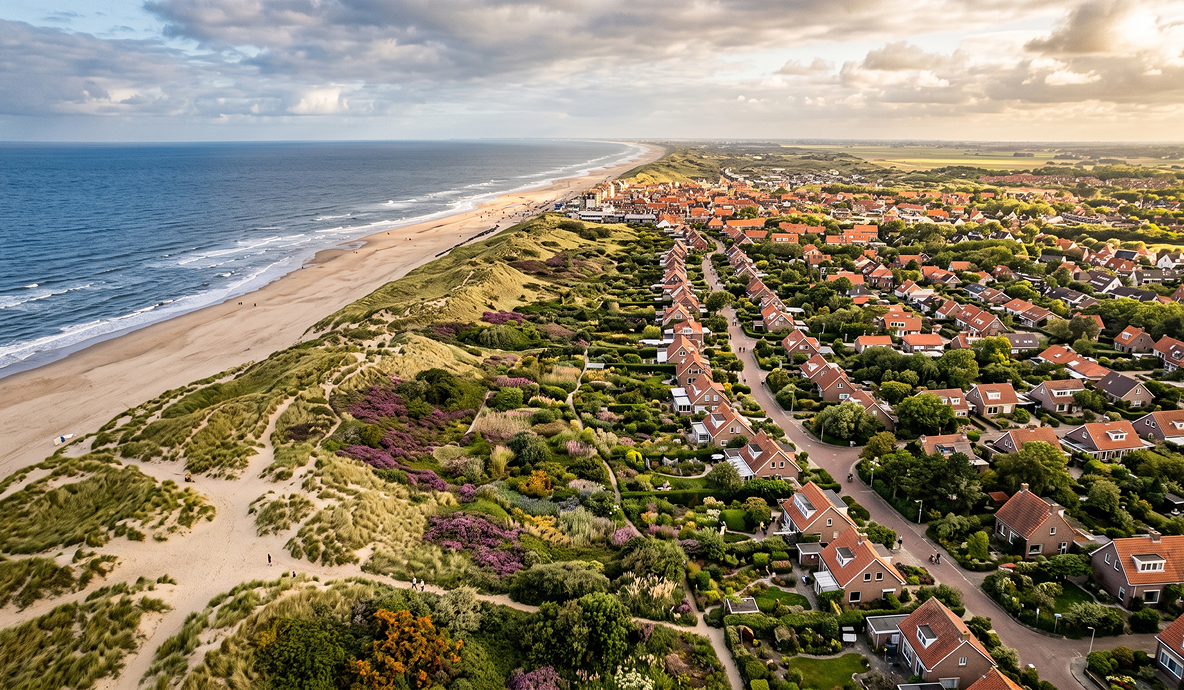 Dune Gardens (Duintuinen)Zuid-Kennemerland · NL
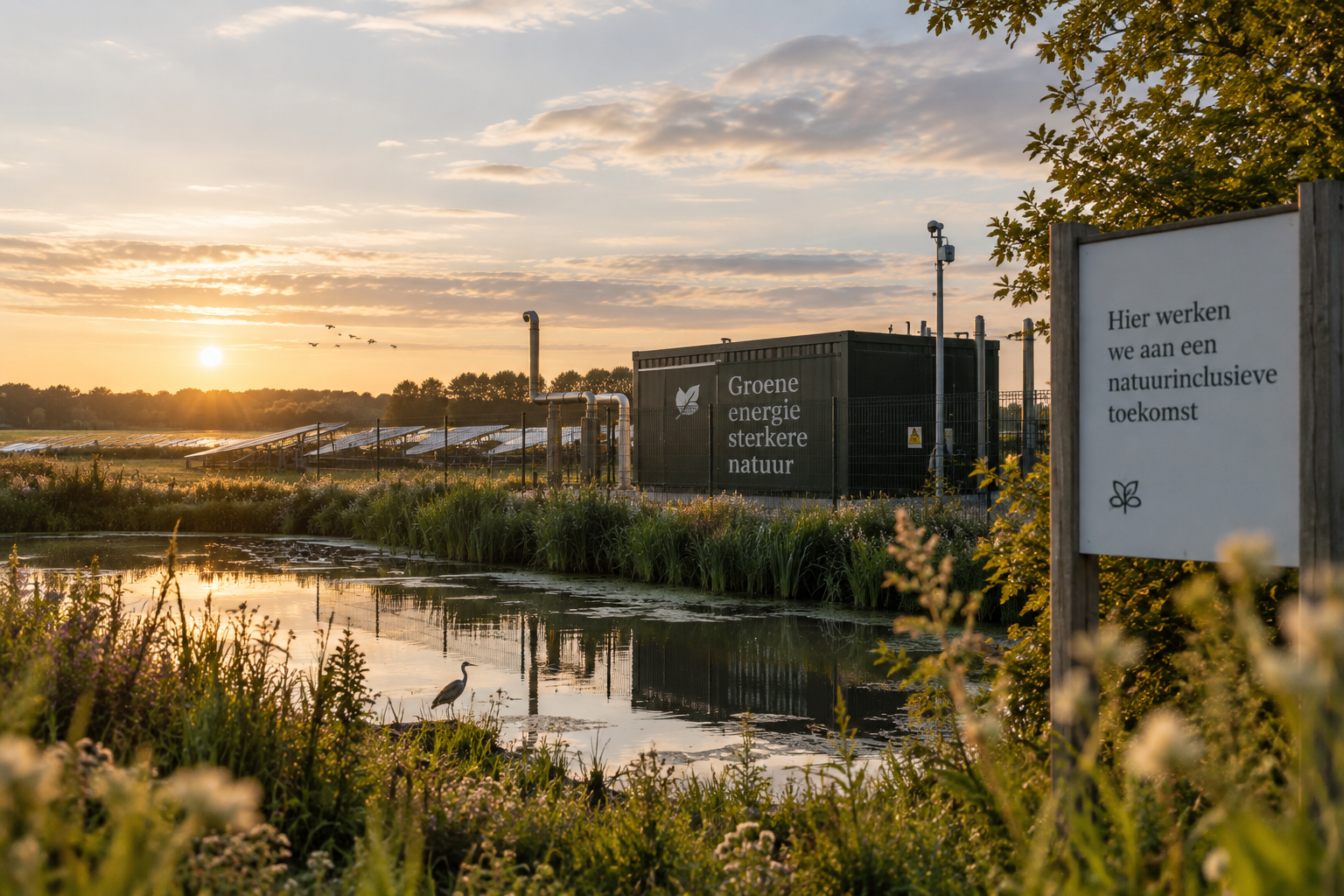 Nature-inclusive production sitesNoord-Holland · NL
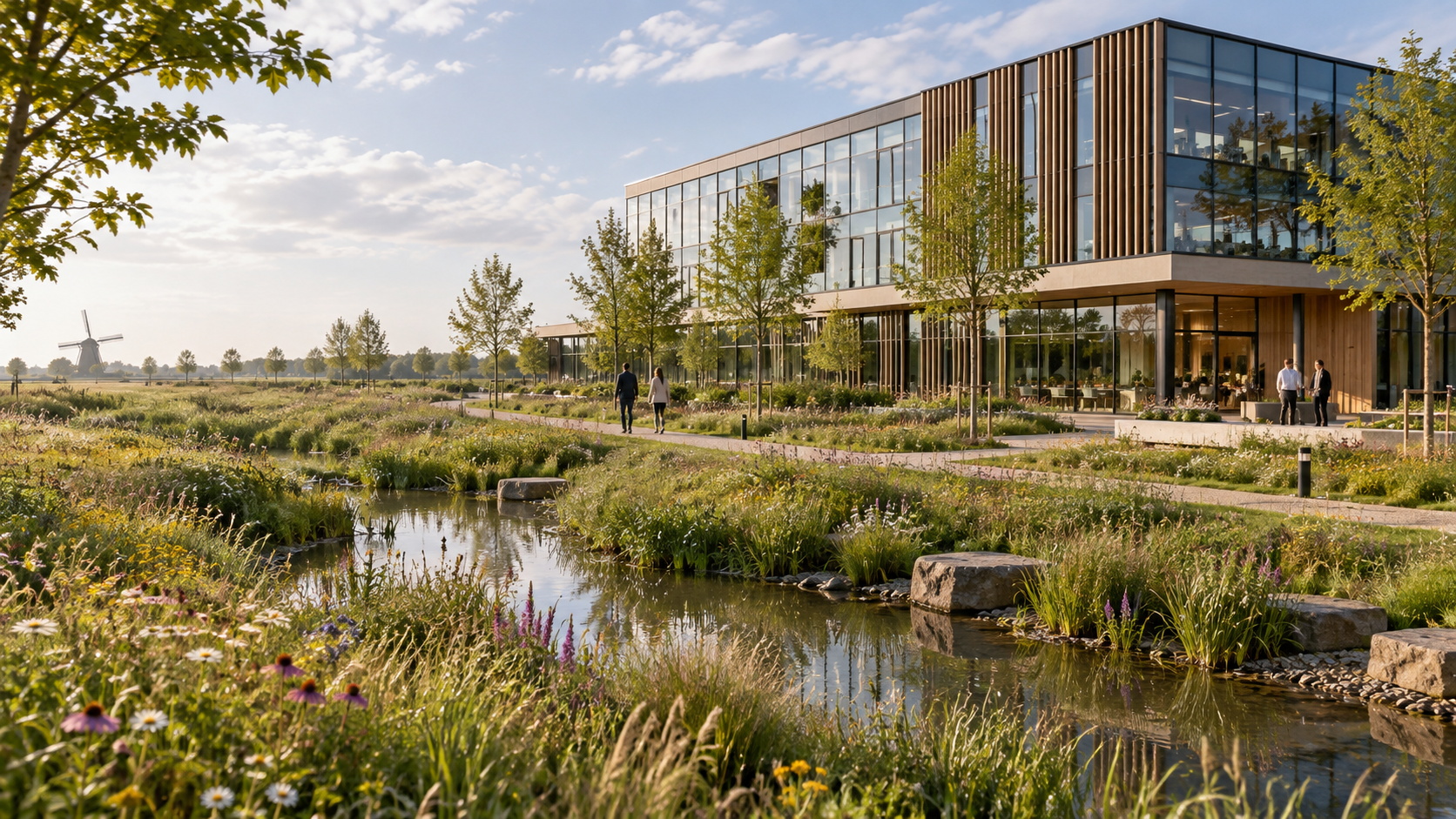 Velserbroek head officeVelserbroek · NL
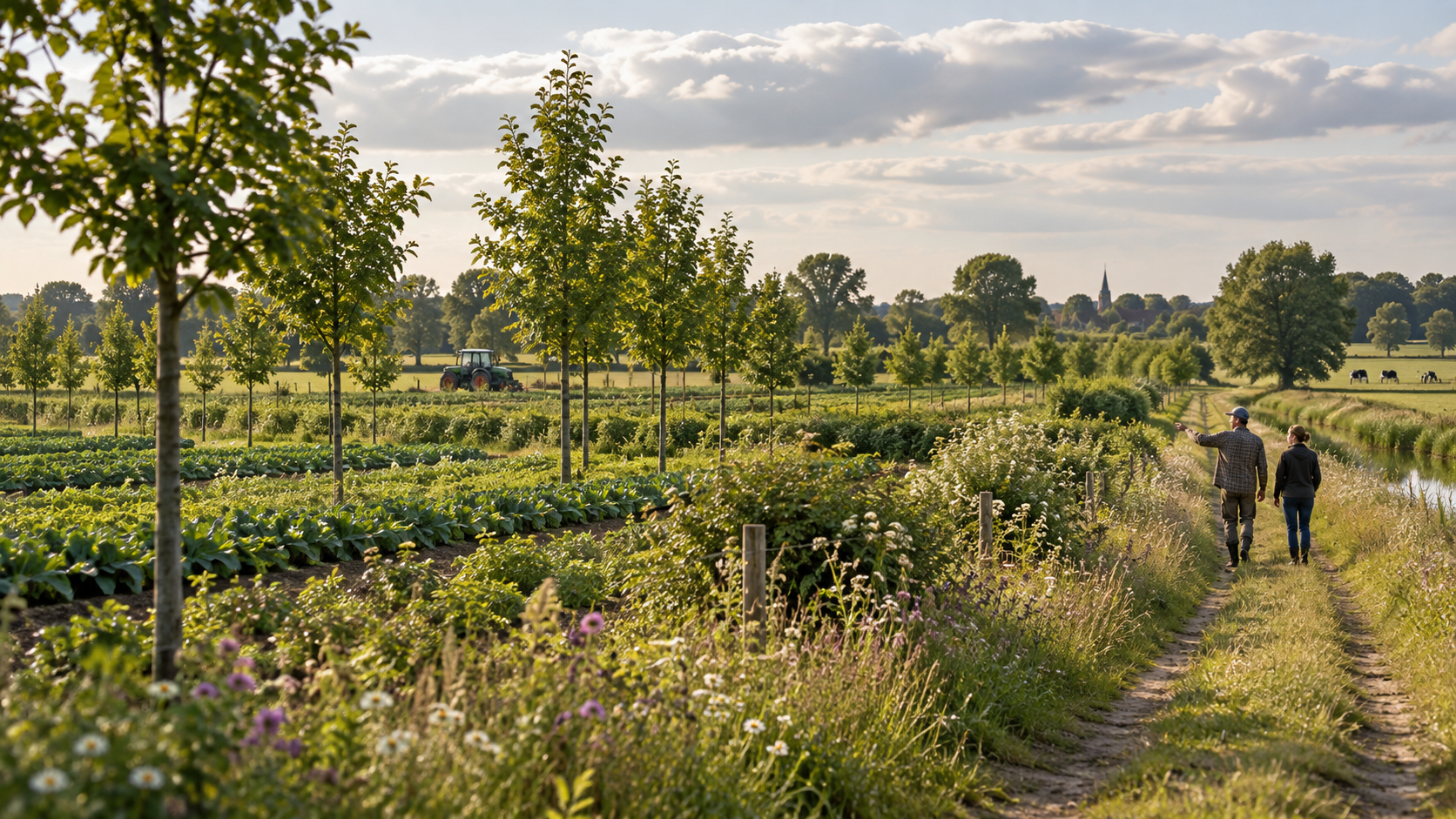 Green flowering pipeline stripsNoord-Holland · NLAgroforestry & landscape restorationAlmelo & Overijssel · NL
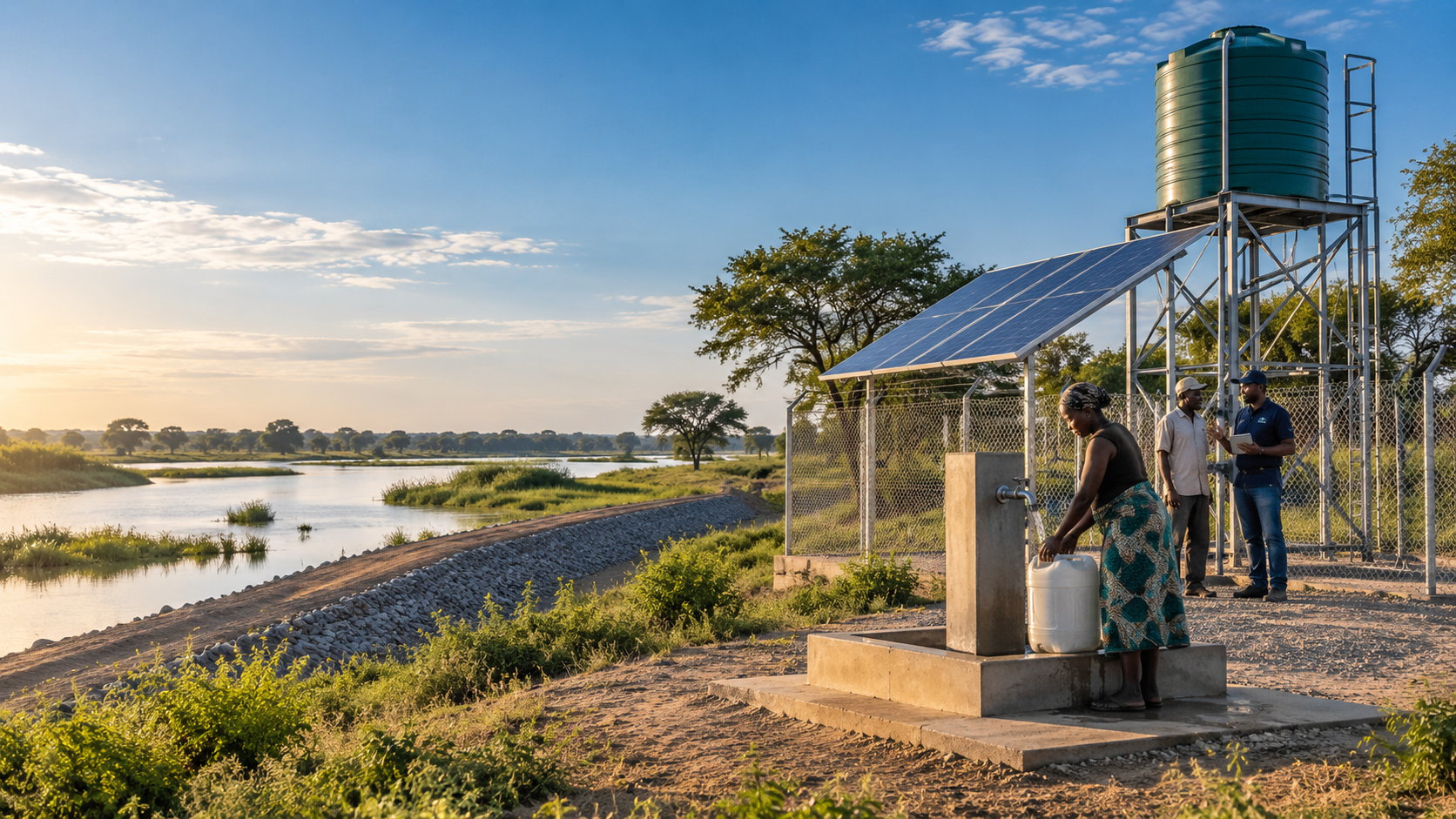 Zambezi water securityZambezi Region · Namibia
Every investment carries a percentage that never reaches the balance sheet: the state of the landscape it lands in. The 2% model puts a figure on it, doubles that figure, and spends it where the project actually stands.
2%
EUR 200,000
Partner commitment
Contracted at signature
2%
EUR 200,000
Target 1:1 match
YOUR.earth + nature partners
4%
EUR 400,000
Capital for regeneration
One earmarked programme envelope
Four answers settle almost every question about the model. The rest of this page is the detail behind them.
01
Of the qualifying value — the eligible contract or investment value, named in writing before anything is signed. Not of profit, not of turnover, not of what is left over at the end of the year.
02
The partner commits the 2% contractually. YOUR.earth and its nature partners target a matching 2%, which is what turns a 2% contribution into a 4% programme.
03
Ecological and community action inside an approved programme plan, in one named landscape, measured against a baseline recorded before the first spade goes in.
04
Not a donation box, not an offset purchase, not a marketing budget. The contribution is earmarked, governed by a programme board and released against milestones.
Five steps. The first two are contractual, the third is a target rather than a certainty, and the last two repeat for as long as the commitment runs.
The eligible value is defined and regeneration is written into the contract, so the contribution exists the moment the asset or the revenue does.
What it produces
A contract clause and a named qualifying value.
The contribution is earmarked, a programme board is appointed, and the conditions under which money may be released are fixed in advance.
What it produces
An earmarked fund, a programme board and release milestones.
A 1:1 co-investor or nature-partner match is sought against the approved plan. Where it is not secured, the programme runs at the size that is actually funded.
What it produces
A confirmed match source — or a smaller programme, stated as such.
Capital goes into ecological and community action in the landscape itself: planting, depaving, water retention, habitat, and the people who maintain it.
What it produces
Hectares, habitat, water retained on site and residents involved.
The same locations are re-sampled with the same protocol, the indices are recalculated, and one standing report is refreshed instead of a new story being commissioned.
What it produces
A time series a lender, a board and a regulator can all read.
The percentage does not change with the size of the deal, so the programme scales with the investment rather than with what happens to be left in a budget.
| Qualifying value | Partner commitment · 2% | Target match · 2% | Programme total · 4% |
|---|---|---|---|
| EUR 5m | EUR 100,000 | EUR 100,000 | EUR 200,000 |
| EUR 10m | EUR 200,000 | EUR 200,000 | EUR 400,000 |
| EUR 25m | EUR 500,000 | EUR 500,000 | EUR 1m |
| EUR 50m | EUR 1m | EUR 1m | EUR 2m |
Source values from the working concept. The share for an individual project inside such an envelope is set separately, by the programme board.
The matched contribution is one route. Where a landscape or a balance sheet does not fit it, the capital structure changes and the baseline, governance and reporting discipline stay exactly the same.
The 2% model
A contracted 2% of the qualifying value.
No money. A matched programme and a standing report.
Lent, not given
Capital lent at zero interest.
The principal, repaid and lent out again in the same landscape.
Inside the FID
A defined share of project capital or of future revenues.
Nature built into the finance and delivery plan itself.
Worked examples
Every figure below is a worked example from the source dossiers, based on an assumed contract value. None of it is committed capital.
A proposed portfolio of four PWN sites around a Van Baarsen contract. One envelope, allocated across the four projects by a programme board each year.
Programme envelope · 4%
EUR 400,000
The actual contract value, the match and the annual allocation all remain to be confirmed.
A water-security programme anchored to a planned 100 MWp energy asset in Namibia, with an optional second layer from staff, investors and EPC partners.
Ceiling · up to 8%
up to EUR 8.0m
The optional layer depends on participation and is explicitly not assured. The definitive instrument still has to be reconciled.
A pellet producer with no qualifying contract but a carbon-credit revenue stream. The contribution is lent at 0% instead of granted, and comes back for the next planting round.
Annual programme base
EUR 5.0m / year
Repaid over roughly ten years and lent out again. The annual amount scales with carbon revenue and is still to be determined.
The Dune Gardens fixed base — 20% of the illustrative PWN envelope, committed and matched — broken down as the source dossier proposes.
EUR 80,000
Proposed roles, targets and worked examples are concept evidence — not confirmed commitments, verified outcomes or legal conclusions.
No. The 2% is a contractual commitment tied to one project, earmarked for an approved plan and released against milestones. Under the revolving route it is a loan, and it is repaid.
No. The 1:1 match is a target. It is not committed capital until it is contracted and funded, and every figure on this site that assumes one says so on the same line.
Neither. Of the qualifying contract or investment value, defined per partnership before signature. That is what keeps the contribution independent of how the year turns out.
A programme board — the committing partner, the host organisation and YOUR.earth — sets the annual split and approves each project plan before money moves.
Against approved plans and milestones, not at signature. Ring-fencing comes first, release comes second.
A baseline recorded before works begin, named indicators with thresholds, and one standing report refreshed from new data each cycle — the evidence a lender asks for at financial close.
Then it is the wrong instrument, and saying so early is cheaper than forcing it. Revolving 0% finance and project-specific commitments exist for exactly that case.
Yes. Every project on this site publishes its rationale, its coalition, its arithmetic and its open decisions, including the ones that are not resolved.
One conversation is enough to see whether your 2% fits — a project, a revenue stream, or a donation programme for your people. Tell us what you build, remove or want to give, and we will show you the landscape it becomes.